


Most couples don’t need a “perfect” timeline. They need a timeline that holds up in the real world—when hair and makeup runs twenty minutes behind, when the sea breeze picks up right as the ceremony begins, and when the sun starts dropping faster than anyone expected.
On the Gulf Coast, your wedding-day timeline isn’t just a schedule. It’s your lighting plan, your calm plan, and your backup plan, all rolled into one document that every vendor on your team will follow. If you want the day to feel relaxed and look effortless in your photos and film, the secret is building from sunset backward—then adding the kind of buffers a professional production team would use.
We’ve filmed and photographed weddings from Destin to Orange Beach, from intimate elopements on the dunes to full-day luxury celebrations at waterfront resorts. And the single biggest difference between a day that feels rushed and one that feels like it’s floating? It’s not the venue or the budget. It’s the timeline.
In this guide, we’ll walk through exactly how to build one that works—including ready-to-use templates for three different wedding sizes, a month-by-month sunset table so you can anchor your ceremony to the best light, and contingency plans for the weather realities that come with saying “I do” on a beach. Stop guessing, and start feeling excited about how your day will unfold.
Why Gulf Coast Timelines Break (and How to Prevent It)
Before we build anything, it helps to understand why so many beach wedding timelines fall apart. It’s not because couples plan poorly, it’s because they’re usually working from a template that was designed for an indoor ballroom in a landlocked city. The Gulf Coast plays by different rules.
The Three Anchors: Sunset, Ceremony, and Venue Rules
Every Gulf Coast wedding timeline has three non-negotiable anchor points, and your entire day needs to be structured around them.
Sunset is the most important. On the Gulf Coast, sunset dictates your lighting for portraits, your ceremony backdrop, and quite literally the mood of your entire gallery. Golden hour, widely defined as roughly the last hour before sunset, is the window where skin glows, colors deepen, and the sky does things no filter can replicate. If your ceremony runs long and you miss it, there’s no getting that light back. This is why we treat the timeline as a lighting plan first and a schedule second.
Ceremony start time follows from sunset. Whether you’re planning a first look or an aisle reveal, your ceremony start time should be reverse-engineered from when the sun sets on your specific date. We’ll show you exactly how to do that in the next section—and give you a month-by-month table to make it easy.
Venue rules set the boundaries. Many Gulf Coast venues have curfews, load-in windows, or noise restrictions that dictate when your day starts and ends. Beach ceremony locations—especially public beaches—often have permitting requirements, setup restrictions, and rules about blocking public access. Know these before you build a single thing.
The Gulf Coast Variables: Sea Breeze, Storms, Permits, and Travel
Beyond the anchors, there are four Gulf Coast–specific variables that mainland timeline templates simply don’t account for.
Sea breeze is the one that catches couples off guard. A sea breeze is a thermally driven daytime wind that blows from the cooler Gulf toward the warmer land as the day heats up (NOAA – Sea Breeze Definition). What this means practically: the morning might feel calm and gorgeous, but by mid-to-late afternoon, steady winds are blowing off the water right into your ceremony. A related phenomenon—the sea-breeze front—can bring sudden wind shifts, a quick temperature drop, and even passing showers (NWS – Sea Breeze Front). This matters for your ceremony angle, your veil, your hair, and especially for audio capture on your wedding film. It’s the reason we always plan microphone placement and windbreaks before we arrive on-site.
Thunderstorms and lightning are a real factor from late spring through fall. Florida leads the nation in thunderstorm activity, experiencing roughly 70 to 100+ thunderstorm days per year (FDOT Severe Weather Awareness). Gulf Coast summers are gorgeous, but afternoon storms are part of the deal—and you need a plan for them. The National Weather Service makes one thing very clear: if you can hear thunder, you are close enough to be struck by lightning. Their safety guidance calls for seeking shelter immediately and waiting a full 30 minutes after the last observed thunder or lightning before returning to outdoor activity (NWS Lightning Safety Overview). Your timeline needs to account for this, especially if your ceremony is on an open beach with no nearby shelter.
Hurricane season runs June 1 through November 30 according to the National Hurricane Center (NHC – Hurricane Season). This doesn’t mean you should avoid a summer or fall wedding—it means your vendor contracts should include clear contingency language, and your timeline should have a communication plan in case a storm disrupts the week leading up to your day.
Travel between locations eats time. On a busy Saturday in Destin or along 30A, even a five-mile drive can take longer than you expect. If your getting-ready location, ceremony, and reception are at different addresses, you’ll need realistic transit buffers—not optimistic estimates pulled from Google Maps at midnight.
[Image suggestion: Bride and groom walking on the beach at golden hour, wind gently catching the veil, captured by White Sands Weddings — showing how professional teams work with Gulf Coast conditions, not against them.]
The “Sunset-Backward” System for a Relaxed Timeline
Now that you know what you’re working with, here’s how to build a timeline that actually works. We call it the sunset-backward method, and it’s the same approach we use for every single wedding we photograph and film.
Decide Your Priorities First (What You Want to Feel)
Before you write down a single time, sit with your partner and answer one question: What do we want the day to feel like?
This isn’t a fluff exercise. It’s the foundation everything else is built on. If you want a relaxed morning where you’re laughing with your bridesmaids and never feel hurried, your timeline needs to start earlier than you think. If you want a long, golden-hour portrait session on the beach, that means protecting a forty-five-minute window around sunset—which changes how early your ceremony needs to start. If cocktail hour matters to you (and it should—it’s one of the most joyful parts of the day), you need to plan around it, not squeeze it in as an afterthought.
Write down your top three non-negotiables. Then build the timeline to protect those moments.
First Look vs. Aisle Reveal: What Changes (and What Doesn’t)
One of the most consequential decisions in your timeline is whether to do a first look before the ceremony or wait for the aisle reveal.
If you choose a first look, you gain enormous flexibility. You can do the majority of your couple portraits, wedding party photos, and even some family formals before the ceremony. That means after the ceremony, you’re free to enjoy cocktail hour with your guests, slip out briefly for a sunset set, and actually be present at your own reception. A well-cited planner approach suggests starting the first look approximately 2.5 to 3 hours before the ceremony, which gives you comfortable room for portraits, party photos, and formals without rushing (The Knot – Wedding Day Timeline).
If you choose an aisle reveal, you preserve that emotional first moment for the walk down the aisle—and there’s absolutely nothing wrong with that. It’s beautiful, and we capture it stunningly. But it does compress your portrait time. Since you won’t see each other until the ceremony, all couple and party portraits have to happen after the “I dos,” which cuts into your cocktail hour and can create a rushed feeling during what should be the most relaxed window of the day. If the aisle reveal matters to you, just know that you’ll need to move your ceremony earlier to give yourself enough daylight for portraits afterward—or reduce the scope of your formal-photo list.
Neither choice is wrong. But the choice changes the math of your day, and your timeline should reflect that honestly.
Build the Day Backward from Sunset (Step by Step)
Here’s the method, simplified:
Step 1: Look up the sunset time for your wedding date and location. We’ll give you a month-by-month baseline for Destin below, but for your exact date, use the NOAA Sunrise/Sunset Calculator or timeanddate.com’s Destin page. NOAA’s calculations are theoretically accurate to within a minute for most latitudes, so you’re working from solid data (NOAA – Solar Calculation Details).
Step 2: Identify golden hour. Golden hour begins approximately one hour before sunset. This is the light your gallery is built on—warm, directional, and impossibly flattering. Mark this window as protected time.
Step 3: Determine your ceremony start time. If you’re doing a first look, your ceremony can start roughly two hours before sunset—enough time for the ceremony itself (typically 20–30 minutes), a brief congrats receiving moment, and then a sunset portrait slip-out during or just after golden hour. If you’re doing an aisle reveal, you’ll want to push the ceremony earlier—roughly three hours before sunset—to leave a full post-ceremony portrait block before the light fades.
Step 4: Work backward from ceremony. Layer in first look timing (if applicable), getting-ready coverage, detail shots, and travel between locations. This is where buffers live.
Step 5: Add forward from ceremony. Layer in cocktail hour, reception formalities, toasts, dances, and your exit or after-party window.
Step 6: Insert your contingency plan. Rain, wind, lightning, vendor delays—give them a place in the timeline so they don’t derail the entire day if they happen.
Add Buffers Using Real Prep-Time Math
One of the most common reasons timelines fall behind is that prep time was underestimated. Bridal hair and makeup can take two to three hours for the bride alone, and bridal party hair and makeup services can take one to two hours per person (The Knot – Hair and Makeup Timeline). If you have five bridesmaids and one artist, do the math—that’s a very early morning.
A practical set of buffer rules we recommend: add 15 minutes between every location change (elevators, parking lots, herding people), add 10 minutes before the ceremony for the “everyone is actually seated” reality, and build a 20- to 30-minute floating buffer before the ceremony and again before reception formalities. These buffers aren’t wasted time. They’re the reason some couples feel calm and present on their wedding day while others feel like they’re sprinting from moment to moment. Think of buffers as a luxury feature—more calm, more time together, more room to breathe.
Destin, 30A, Pensacola, and Orange Beach: Your Timing Data
This is the section that makes this guide genuinely useful rather than just another generic wedding-timeline post. The Gulf Coast is a specific place with specific light, and your ceremony time should be calibrated to it.
Sunset-by-Month Table: How to Pick Your Ceremony Start Time
The table below uses the 15th of each month in 2026 for Destin, Florida (local time), compiled from timeanddate.com’s Destin sunrise/sunset tables. We’ve translated each sunset into golden-hour start time, the practical portrait “sweet spot,” and suggested ceremony start times for both first-look and aisle-reveal timelines.
How to use this table: Find the month of your wedding, then pick the ceremony column that matches your reveal style. These are starting points—confirm your exact sunset for your date using NOAA or timeanddate, then adjust as needed.
| Month | Sunset (approx.) | Golden Hour Starts | Portrait Sweet Spot | Ceremony Start (First Look) | Ceremony Start (Aisle Reveal) |
|---|---|---|---|---|---|
| January | 5:07 PM | 4:07 PM | 4:22 – 5:17 PM | 3:07 PM | 2:07 PM |
| February | 5:34 PM | 4:34 PM | 4:49 – 5:44 PM | 3:34 PM | 2:34 PM |
| March | 6:54 PM | 5:54 PM | 6:09 – 7:04 PM | 4:54 PM | 3:54 PM |
| April | 7:13 PM | 6:13 PM | 6:28 – 7:23 PM | 5:13 PM | 4:13 PM |
| May | 7:33 PM | 6:33 PM | 6:48 – 7:43 PM | 5:33 PM | 4:33 PM |
| June | 7:49 PM | 6:49 PM | 7:04 – 7:59 PM | 5:49 PM | 4:49 PM |
| July | 7:49 PM | 6:49 PM | 7:04 – 7:59 PM | 5:49 PM | 4:49 PM |
| August | 7:27 PM | 6:27 PM | 6:42 – 7:37 PM | 5:27 PM | 4:27 PM |
| September | 6:51 PM | 5:51 PM | 6:06 – 7:01 PM | 4:51 PM | 3:51 PM |
| October | 6:14 PM | 5:14 PM | 5:29 – 6:24 PM | 4:14 PM | 3:14 PM |
| November | 4:49 PM | 3:49 PM | 4:04 – 4:59 PM | 2:49 PM | 1:49 PM |
| December | 4:47 PM | 3:47 PM | 4:02 – 4:57 PM | 2:47 PM | 1:47 PM |
A few things to notice. The swing from a December wedding to a June wedding is massive—over three hours of difference in sunset time. A winter wedding on the Gulf Coast means an early afternoon ceremony, which changes the entire feel of your day. A June or July wedding gives you late-evening light and a long, lazy afternoon to get ready. Neither is better or worse, but they require very different timelines, and this table is how you start building yours.
Also notice that if you want an aisle reveal with sunset portraits, you need significantly more daylight after the ceremony—so you move the ceremony earlier or reduce your formal-photo scope. If you want a relaxed cocktail hour where you’re actually with your guests, a first-look day usually protects that experience.
Golden Hour and Civil Twilight: What Matters for Photo and Video
Golden hour gets all the attention, but for couples who are also investing in a wedding film, the light after sunset matters too.
Civil twilight is the period between sunset and when the sun drops approximately 6 degrees below the horizon. During this window, it can still be light enough outdoors that artificial lighting isn’t needed in many conditions (NWS – Twilight Definitions). This is the window we love for a brief “sunset slip-out”—ten to fifteen minutes where we pull the couple away from the reception for a quiet, cinematic portrait sequence. The sky is often painted in deep blues and purples, and the footage has a calm, romantic quality that’s completely different from the bright energy of golden hour. If your film matters to you, protect this window in your timeline.
Wind, Storm Season, and Lightning Safety: What to Know
Wind on the Gulf Coast is predictable in pattern, if not in exact timing. The sea breeze typically builds through the afternoon and is strongest in the late afternoon hours—which is often right around ceremony time. Plan your ceremony angle with a natural windbreak where possible: dunes, building facades, hedgerows, or covered structures. Use wind protection on all microphones (your videography team should bring windscreens and redundant audio recorders for your vows). And if the bride is wearing a cathedral veil or long train, schedule the most “hair-down” or “veil-heavy” portraits earlier in the day or in a sheltered area where you’re not fighting the wind for every shot.
Storm season peaks from June through September, and afternoon thunderstorms are common. Your timeline needs an explicit lightning protocol—not a vague “we’ll figure it out.” We’ll cover the exact plan in the contingencies section below, but the short version is this: if you hear thunder, everyone moves indoors, and the outdoor timeline doesn’t resume for thirty minutes after the last rumble. Build your day so it can absorb that pause without losing the moments that matter.
How Much Photo and Video Coverage Do You Need?
Before we get to the templates, it’s worth understanding how to match your coverage level to your wedding size and style. There’s no universal right answer here, but there is a framework that helps you choose wisely.
| Coverage Level | Best Fit | Typical Hours | Photo Deliverables | Video Deliverables | Staffing Recommendation |
|---|---|---|---|---|---|
| Essentials | Elopements and micro weddings | 4-6 | Curated gallery | Highlight film | 1 lead photographer & videographer |
| Classic | Small weddings | 6–8 | Curated gallery + sneak peeks | Highlight + optional ceremony edit | Lead photographer & videographer + optional second photographer |
| Full Story | Standard weddings | 8–10 | Expanded gallery + sneak peeks + engagement shoot | Full highlight film + ceremony | Lead photographer & videographer + optional second photographer & videographer |
| Luxury Full-Day | Large or luxury events | 10–12+ | Full curated gallery + sneak peeks + engagement shoot + fully-designed album | Full highlight film + documentary film + teaser film | Lead photographer & videographer + second photographer & videographer |
The key question isn’t “how many hours is standard?”—it’s “what story do I want told, and what moments do I need covered?” If you only care about the ceremony and portraits, 4-6 hours with one talented photographer can absolutely deliver a stunning gallery. But if you want the getting-ready laughter, the father’s first look at his daughter, the toasts, the dance floor chaos, and the sparkler exit, you need 8–10+ hours and a team that can be in multiple places at once. The coverage decision flows from what you want to relive, not from a default.
Three Timeline Templates That Actually Work
These are real, minute-by-minute templates based on how we actually build wedding days on the Gulf Coast. Each one is pegged to a sunset baseline so you can see the logic in action—and each one includes a simple shift rule so you can adapt it to your specific date.
The shift rule: If your sunset is earlier or later than the baseline used in the template, shift every time after the portrait block by the same amount. The morning prep block stays fixed; the ceremony and everything after it moves.
Template One: Small Wedding (20–75 Guests)
Baseline sunset: ~7:49 PM (June/July mid-month, Destin) Coverage: 8 hours Ceremony: 5:30 PM
Having a second shooter is an option at this size to keep the day relaxed with parallel coverage. A first look is strongly considered here—it preserves cocktail hour and eliminates the post-ceremony portrait sprint.
| Time | Segment | Photo Focus | Video Focus | Notes |
|---|---|---|---|---|
| 1:30 PM | Arrive + details | Flat-lay, venue details, décor | Establishing shots, detail sequence | Work in shaded or indoor spot |
| 1:45 PM | Prep candids | Getting-ready moments, people, emotion | Natural audio moments, laughter | Split teams between bride and groom if possible |
| 2:15 PM | Bride ready / buffer | Final-touches portraits | Pre-ceremony interview option | Hair/makeup can take 2–3 hours—buffer here |
| 2:45 PM | First look | Reaction, connection, emotion | Cinematic first-look sequence | Build in a 10-minute breathing room after |
| 3:05 PM | Couple portraits | Classic, editorial, scenic variety | Movement, audio nat-sound | Use the best light available; golden hour comes later |
| 3:45 PM | Wedding party | Structured + fun group sets | Wide and close coverage | Keep energy high and efficient |
| 4:15 PM | Family formals (partial) | Immediate family groupings | Quick video snippets | Use a written family-photo list—assign a wrangler |
| 4:45 PM | Hide + reset | Touch-ups, hydration | Mic placement, officiant audio check | Couple shouldn’t be seen by arriving guests |
| 5:15 PM | Guests arrive | Candids, décor details | Ambient sound, guest reactions | |
| 5:30 PM | Ceremony | Multi-angle coverage | Clean vow audio, reactions | Wind protection on all mics is critical |
| 6:05 PM | Congrats + remaining family | Hugs, candids, remaining formals | Short well-wishes | Keep it tight—15 minutes max |
| 6:30 PM | Cocktail hour | Guest story, candids | Ambient audio, toasts prep | The couple can enjoy this because of the first look |
| 6:55 PM | Sunset slip-out | Couple hero set, golden-hour portraits | Cinematic golden-hour sequence | Golden hour: the last hour before sunset |
| 7:20 PM | Reception formalities | Grand entrance, first dance | Entrance, audio capture | |
| 8:00 PM | Toasts | Speaker reactions, crowd laughter | Clean toast audio + reaction shots | |
| 8:30 PM | Dancing | Dance floor energy, candids | Dance floor montage | |
| 9:30 PM | Coverage ends | Last-call candids | Closing scene |
Staffing: Lead photographer + lead filmmaker. Optional second photographer. With a team of this size, the lead photographer can focus on the couple while the second captures guest moments, reactions, and candids in parallel.
Template Two: Standard Wedding (75–150 Guests)
Baseline sunset: ~7:27–7:49 PM (summer, Destin) Coverage: 9 hours Ceremony: 5:00 PM
Multiple locations and larger formals expand the timeline at this size. A second shooter and second camera are essential—not a luxury. Wedding photography timeline templates from industry resources like WeddingWire explicitly factor in the value of second shooters for parallel coverage of moments you’d otherwise miss (WeddingWire – Wedding Photography Timeline).
| Time | Segment | Photo Focus | Video Focus | Notes |
|---|---|---|---|---|
| 12:00 PM | Arrive + details | Full detail story: dress, shoes, rings, invitations, venue | Establishing shots, cinematic detail sequence | Build a “detail kit” for consistent styling |
| 12:45 PM | Prep coverage | Getting-ready candids, portraits | Vow letter audio, natural moments | |
| 2:00 PM | Bride dressed | Bridal portraits in natural light | Cinematic portrait clips | |
| 2:30 PM | First look | Reaction + emotion | Cinematic first-look sequence + natural sound | |
| 2:50 PM | Couple portraits (Set 1) | Primary portrait set: editorial + classic | Movement, variety | |
| 3:35 PM | Wedding party | Full party shots + individuals | Parallel angles, energy | |
| 4:10 PM | Family formals (most) | Efficient family groupings | Quick video snippets | Use wranglers—assign two people to gather family |
| 4:40 PM | Buffer + hide | Touch-ups, water, quiet moment | Mic and audio setup | |
| 5:00 PM | Ceremony | Wide, tight, and reaction angles | Clean vow audio + multi-angle reactions | Lightning protocol ready if storm threatens |
| 5:35 PM | Congrats + remaining formals | Key family groupings not yet done | Ambient | |
| 6:10 PM | Cocktail hour | Guest energy, candids | Ambient sound, guest moments | |
| 6:50 PM | Sunset slip-out | Hero couple portraits | Cinematic golden-hour sequence | Protect this—it’s the centerpiece of your gallery |
| 7:20 PM | Grand entrance | Energy, crowd reaction | Multi-angle entrance | |
| 7:40 PM | Toasts | Speaker reactions, tears, laughter | Clean audio capture | |
| 8:10 PM | Dances | Emotion, movement | Cinematic coverage | |
| 8:40 PM | Open dancing | Party story, energy | Montage footage | |
| 9:50 PM | Coverage ends | Last candids, exit if applicable | Closing scene |
Staffing: Lead photographer + optional second photographer. Lead filmmaker + optional second filmmaker.
Template Four: Full-Day Luxury (150+ Guests)
Baseline sunset: ~7:49 PM (June/July mid-month, Destin) Coverage: 12 hours Ceremony: 5:30 PM
A full-day luxury timeline has more moving parts: multiple locations, a higher guest count, a larger vendor team, and often a tighter logistical margin than it appears. The timeline needs to explicitly protect “calm blocks”—not just events. The pacing should feel editorial, not industrial.
| Time | Segment | Photo Focus | Video Focus | Notes |
|---|---|---|---|---|
| 10:30 AM | Arrival + styled details | Editorial flat-lays, venue architecture | Cinematic detail sequence | |
| 11:30 AM | Prep coverage begins | Story candids, emotion, laughter | Audio moments: vow writing, conversations | |
| 1:00 PM | Bride dressed | Editorial bridal portraits | Portrait motion | |
| 2:00 PM | Groom portraits | Classic portrait set | Natural sound | Parallel teams working simultaneously |
| 2:30 PM | First look | Reaction | Cinematic first-look sequence | |
| 2:50 PM | Couple portraits (Set 1) | Editorial + classic | Movement sequences | |
| 3:45 PM | Wedding party | Full party + individuals | Multiple angles | |
| 4:30 PM | Family formals | Efficient + calm | Short snippets | Wranglers are essential at this scale |
| 5:00 PM | Reset + hide | Touch-ups, quiet moment | Final mic and audio setup | |
| 5:30 PM | Ceremony | Multi-angle full coverage | Clean vow audio, reaction coverage | Wind + lightning plan in place |
| 6:10 PM | Congrats + key groups | Candid hugs, small groupings | Ambient | |
| 6:45 PM | Cocktail hour | Guest experience, details | Ambient energy | |
| 7:10 PM | Sunset slip-out (Set 2) | Hero portraits, golden-hour editorial | Cinematic couple sequence | The signature moment of the gallery |
| 7:40 PM | Reception reveal | Room details, tablescapes, lighting | Establishing reception shots | |
| 8:00 PM | Formalities | Dances, toasts, cake | Clean audio + cinematic coverage | |
| 9:00 PM | Dinner | Table touches, quiet moments | Quieter story beats | |
| 10:00 PM | Party | Dance floor energy | Montage | |
| 11:00 PM | Exit / after-party | Send-off, sparklers, final moments | Closing cinematic scene | Confirm venue rules on exit timing |
Staffing: Lead photographer + second photographer. Lead filmmaker + second filmmaker. This is the team size that lets no moment go un-captured while still giving the couple space and calm, not a crowd of six strangers with cameras in their face.
Contingencies and Vendor Coordination: The Plans That Save Your Day
A timeline that “actually works” doesn’t just schedule the perfect day. It builds in the plan for when things go sideways—because on the Gulf Coast, the weather has a vote.
Rain Plan, Wind Plan, Lightning Plan
We like to frame contingencies as Plan A / Plan A2 / Plan B—because calling something “Plan B” makes it sound like a downgrade, and it doesn’t have to be.
Plan A is your dream scenario: outdoor ceremony, golden-hour portraits on the beach, everything you’ve been picturing.
Plan A2 is the covered-outdoor option: a porch, terrace, pavilion, or tented space that still feels open and airy but protects from rain or excessive wind. Many Gulf Coast venues have gorgeous covered areas that photograph beautifully. If your venue doesn’t, a well-placed tent or pergola can serve the same purpose—just confirm any permitting requirements for tent structures on public or rented property.
Plan B is the full-indoor option: ceremony inside, portraits near windows and in well-lit interior spaces. A skilled photo and video team knows how to use window light, architectural details, and interior design to create images that feel intentional—not like a consolation prize.
For wind specifically: choose a ceremony angle with a natural windbreak (dunes, building walls, landscaping). Use wind protection on all microphones and have audio redundancy—a backup recorder capturing vows from a second position. Schedule the most veil-heavy and hair-down portrait moments for earlier in the day, in a sheltered area, before the afternoon sea breeze builds.
For lightning: the protocol is non-negotiable. If thunder is audible, move everyone indoors immediately. Do not resume outdoor activity until 30 minutes have passed since the last thunder or lightning (NWS Lightning Safety). Your timeline should have a built-in pause window that can absorb this 30-minute delay without losing critical moments. This is exactly why we build floating buffers into every Gulf Coast timeline—not because we expect things to go wrong, but because we plan for the day to stay beautiful even when they do.
Vendor Delays and Domino-Proof Buffers
Hair and makeup running long is the single most common domino that topples a wedding timeline. Since bridal services can take several hours and scale with the size of your party, the morning needs to start earlier than most couples expect. If you have four bridesmaids plus the bride, plus the mother of the bride, and one hair stylist and one makeup artist working in tandem—you can see how quickly a 7:00 AM start becomes necessary for a 2:00 PM first look.
The domino-proof approach: rather than planning a timeline where every block is dependent on the one before it finishing exactly on time, build in transition buffers that absorb delays without cascading. A 15-minute gap between location changes, a 10-minute “seats” buffer before the ceremony, and a 20- to 30-minute floating buffer before the ceremony and again before reception formalities. These aren’t empty time—they’re insurance. And when everything does run on time, they become breathing room: a quiet moment with your partner, a glass of water, a chance to take it all in.
A Shareable Checklist for Couples and Planners
Your final timeline should be a single document that every vendor on your team receives. Here’s what it should include:
Hard anchors: Ceremony start time, sunset time (confirmed via NOAA or timeanddate), and venue close time or curfew.
Addresses and logistics: Every location with parking instructions and load-in access. Vendor point-of-contact names and cell numbers.
The family-formal list: Organized by household, with two assigned “wranglers” who know who’s in each grouping and can gather people efficiently.
The audio plan: Who’s mic’d (officiant, groom, readers), what backup recording is in place, and where the audio tech will position.
The weather plan: Plan A, A2, and B, including the nearest lightning shelter and the 30-minute rule.
Permit confirmations: If your ceremony is on a public beach or in a park, attach the permit confirmation. This saves scrambling if someone questions your setup on the day.
Beach Wedding Permits: A Quick Gulf Coast Overview
Permitting requirements vary by county and jurisdiction along the Gulf Coast, and the details change—so always confirm directly with the issuing office well in advance of your date. Here are credible starting points for the most common Gulf Coast wedding areas:
Walton County (covering 30A, Grayton Beach, Seaside, Rosemary Beach): Walton County requires outdoor event permits for beach ceremonies. Their website outlines fee schedules and application processes (Walton County Outdoor Event Permits). Plan to apply early—popular dates fill up.
Okaloosa County (covering Destin, Fort Walton Beach, Okaloosa Island): County beach and park weddings should be scheduled and permitted through county parks. Their guidance recommends contacting them at least 14 days in advance, with permit fees depending on specifics of the event (Okaloosa County Wedding Permits PDF).
Pensacola Beach: The Santa Rosa Island Authority publishes wedding guidelines that include rules about not roping off public beach areas and keeping ceremony setups away from public access paths (SRIA Wedding Guidelines PDF).
Gulf Islands National Seashore (Johnson Beach, Fort Pickens): National Park Service locations require special use permits, with the park preferring at least two weeks of lead time for processing (NPS – Gulf Islands Special Use Permits).
Orange Beach, Alabama: The city’s FAQ indicates that permit needs depend on the specific location, and directs couples to the Gulf State Park permitting contact for public beach access points (Orange Beach FAQ).
The universal advice: confirm early, bring your permit confirmation to the ceremony site, and share the relevant rules with your planner and vendors so everyone knows the boundaries before setup begins.
Choosing a Venue: Gulf Coast Styles and What They Mean for Your Timeline
Your venue type directly influences your timeline structure, especially when it comes to travel between locations, indoor backup options, and the flow from ceremony to reception. Here are a few venue styles common on the Gulf Coast, with notes on how each affects your planning:
Beachfront resorts like Henderson Beach Resort or Perdido Beach Resort offer the convenience of getting ready, marrying, and celebrating all in one property. Your timeline benefits enormously from zero travel time, and indoor backup spaces are usually built into the venue’s event infrastructure.
Boutique properties like The Pearl Hotel in Rosemary Beach or WaterColor Inn & Resort bring an intimate luxury feel. Single-property flow keeps the timeline tight, and smaller guest counts often mean more flexibility in scheduling.
Large resort complexes like Sandestin Golf and Beach Resort can host multi-site events—ceremony on the beach, cocktails on a terrace, reception in a ballroom. Beautiful, but your timeline needs realistic travel buffers between spaces, and your vendor team needs clear load-in instructions for each location.
Historic or indoor-outdoor venues like The Sanctuary 1905 offer a built-in Plan B that still feels intentional and luxurious. If weather is a concern for your date, these venues give you peace of mind without sacrificing atmosphere.
Whatever your venue, the timeline principle is the same: anchor to sunset, protect golden hour, and buffer the transitions.
Frequently Asked Questions
What time should I start my ceremony for a Gulf Coast beach wedding?
It depends entirely on your wedding date and whether you’re doing a first look. Use the sunset table above to find the month of your wedding, then pick the ceremony column that matches your reveal style. As a general rule, a ceremony that ends 60–90 minutes before sunset gives you the best chance at golden-hour portraits without feeling rushed. For your exact date, verify sunset with NOAA or timeanddate.com.
Should I do a first look or wait for the aisle reveal?
There’s no wrong answer—only different timeline math. A first look gives you more portrait time before the ceremony, protects your cocktail hour, and generally creates a more relaxed post-ceremony flow. An aisle reveal preserves that emotional first-sight moment but compresses portrait time after the ceremony, which usually means an earlier ceremony start or a shorter formal-photo list. Both are beautiful. Both are filmable. The choice is about what matters more to you emotionally, and how much daylight your date gives you to work with.
How long does a beach wedding ceremony actually take?
Most ceremonies run 20 to 30 minutes. A very brief elopement-style ceremony can be as short as 10 to 15 minutes. If you’re incorporating a unity ceremony, extended readings, worship music, or communion, plan for 30 to 45 minutes. Tell your officiant the timeline, and ask them to keep the pacing intentional.
What if it rains on my beach wedding day?
This is why your timeline includes Plan A2 and Plan B. Most Gulf Coast afternoon storms are brief and pass within 30 to 60 minutes. If your timeline has floating buffers built in, a passing storm often means a short pause, not a ruined day. In fact, some of the most dramatic Gulf Coast wedding photos happen right after a storm clears—the sky goes electric. Your venue’s indoor backup should be scouted in advance so it feels intentional, not improvised.
How many hours of photo and video coverage do I need?
Match your coverage to the story you want told. An intimate elopement needs 3–5 hours. A standard wedding with prep, ceremony, portraits, and reception typically needs 8–10 hours. A full-day luxury event with editorial detail coverage through the grand exit needs 10–12+ hours. Refer to the coverage table earlier in this guide to match your wedding size and style to the right level.
Do I really need a second shooter?
For any wedding over about 30 guests, a second shooter significantly expands what your gallery captures. While the lead focuses on the couple, the second captures guest reactions, candid moments, and parallel events (like the groom’s reaction as the bride walks down the aisle). For video, a second camera angle adds cinematic depth and ensures full vow coverage even if wind or audio issues affect one position. It’s not a luxury add-on—it’s the difference between good coverage and complete coverage.
Your Day, Designed Around the Light
The food will be eaten. The music will fade. The flowers will wilt. But your photos and videos will remain—the tangible memories you’ll revisit for decades, share with the people you love, and one day show your children and grandchildren.
That’s why a great timeline isn’t about rigid minute-by-minute scheduling. It’s about designing a day where every important moment happens in the right light, at the right pace, with room to breathe. On the Gulf Coast, that means respecting the sunset, planning for the breeze, and building in enough margin that the unexpected becomes a story—not a crisis.
At White Sands Weddings, we build timelines like this for every couple we work with—tailored to their venue, their date, their priorities, and the specific light their wedding day will have. We believe your wedding day is too important to gamble on, and couples across the Gulf Coast—from Destin to 30A, Panama City Beach to Orange Beach—trust us to deliver both luxury photography and cinematic films that capture not just what happened, but how it felt.
Want a timeline built for your exact date and venue—with Plan B baked in? Inquire about availability and let’s start designing your day around the light.
Want to see what this looks like in practice? Take a look at some of our recent films and galleries to see how we bring Gulf Coast wedding days to life.
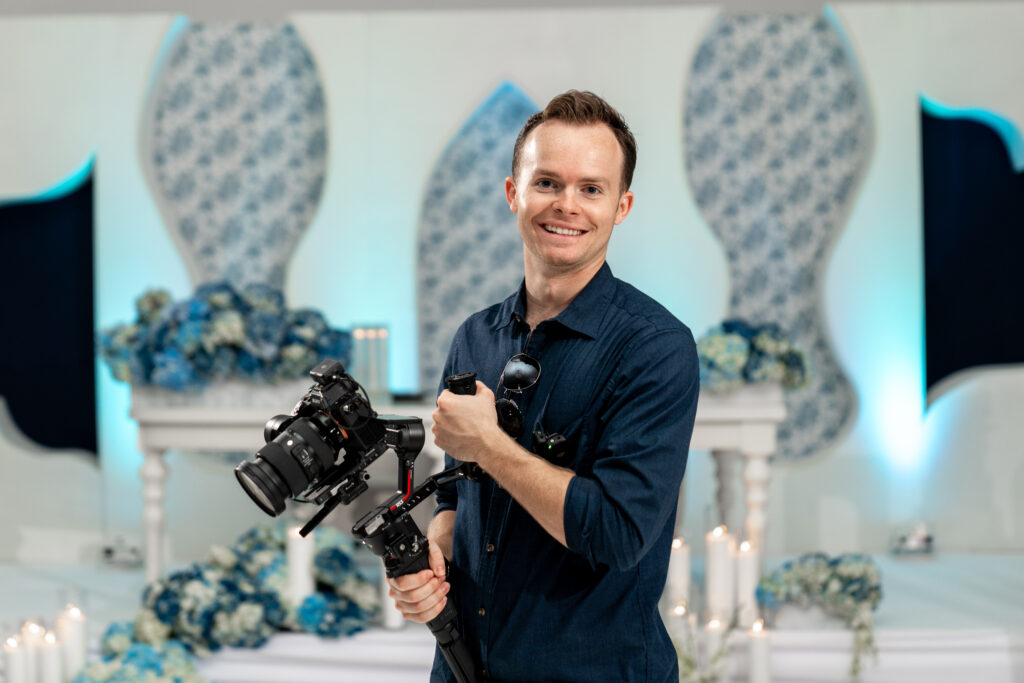
Matthew Oakes
Founder & Filmmaker, White Sands Weddings
info@whitesandsweddings.com
Sources and Further Reading
- NOAA Sunrise/Sunset Calculator — for verifying sunset on your exact wedding date
- NOAA Solar Calculation Details — accuracy notes on sunrise/sunset data
- timeanddate.com – Destin Sunrise/Sunset Tables — quick month-by-month sunset reference
- NWS – Sea Breeze Definition — what causes afternoon Gulf Coast winds
- NWS – Sea Breeze Front — why wind shifts can bring sudden showers
- NWS – Lightning Safety Overview — the 30-minute rule for outdoor events
- NWS – Twilight Definitions — understanding civil twilight and usable light after sunset
- National Hurricane Center – Hurricane Season Dates — official Atlantic hurricane season: June 1 – November 30
- Walton County Outdoor Event Permits — beach ceremony permit info for 30A
- Gulf Islands National Seashore – Special Use Permits — NPS wedding permit guidance
- The Knot – Wedding Day Timeline — general ceremony timing conventions
- The Knot – Hair and Makeup Timeline — prep time planning guidance
- WeddingWire – Wedding Photography Timeline — photography timeline templates and second-shooter value
- FDOT – Severe Weather Awareness — Florida thunderstorm frequency data


